

Supporting individuals and teams through complex life events.
Psychosocial Wellbeing Program
The Psychosocial Wellbeing Program
Walks alongside individuals, workplaces and community groups, offering practical, respectful support that fits local life.
The focus is simple:
Create safe, structured spaces where people can think clearly, process challenges and move forward together.
Counselling for individuals, employees and managers.
Group support for families, workplaces or community groups.
Leadership and management support for group facilitation.
Counselling for individuals, employees or managers.
Group support for families, workplaces or community groups.
Leadership and management support for group facilitation.
Steady support.
Clear thinking.
Stronger communities.
Identified challenges for Australians
Many Australian communities are facing situations that have disrupted life and affected wellbeing.
Global events and a series of natural disasters have impacted people, families and businesses, compounding life stressors, making it more difficult for people to cope.
Often, when people face difficulties, it is hard to know where to turn. In many communities, there can be a tendency for people to feel shame about needing help and may have grown up believing this a weakness. However, when life gets tough, the right support at the right time and place can be lifesaving.
Providing the right atmosphere for people to connect and talk can be transformative, particularly when a skilled person can help to leverage existing strengths and social networks, building resilience into the future.
What clients say
Psychosocial support
Michelle has an immediate aura of calm and radiates a grounded energy…I have unwavering belief in her reliability and integrity. Michelle, I deeply appreciate the positive impact you have had on my wellbeing, happiness and personal growth. You lift me up when my life at times is in chaos and I begin to sink.
Group support
On behalf of my fellow bereaved by suicide survivors I would like to say a big “Thank You” from the bottom of my heart, with all the pains that we carried on our shoulders and the tears that you witnessed…your perseverance, endless patience, lending of your ears that never tired of hearing our rants of anger and feelings of sadness. Not many people can take it.
Facilitation and training
I felt very listened to in a deep way and learned more about how to listen. I noticed the difference in how I communicate … exciting and empowering! Now that I realise the valuable effect it has on my own thinking and that of others, I am more conscious of allowing the space for others to speak without interruption. Thank you so much for this gift of awareness.
Innovative approaches
Psychosocial support doesn’t have to be sitting in a dark room talking about all the bad things that have happened. There are many innovative ways to improve wellbeing through engaging in activities that make you feel good. For example, Hawkesbury SoDa, Michelle’s Federal/State funded bushfire recovery project, provided fun social dance events fostering connection, support and wellbeing, which participants said was ‘better than counselling’, as shared:
I didn’t use any counselling from the disasters. Dancing was my therapy. I literally went in there dark and at the end of the term I was not dark. And I had not taken any medication.
Four tiers of support
The Psychosocial Wellbeing Program provides four tiers of support to address emotional, psychological, social and collective wellbeing in the local environment.
Programs are tailored to the needs of individuals, groups and workplaces, helping people to navigate stress, change and complex challenges. A fly in/fly out option is available, providing out-of-area support, which is considered preferable by people living in smaller communities.
A Wellbeing Program may include any combination of the following supports:
- Individual counselling for people experiencing personal or work-related stress.
- Family support to strengthen communication and connection.
- Workplace and community group support following critical incidents or prolonged stress.
- Leadership and management support to strengthen communication, resilience and leadership capability.
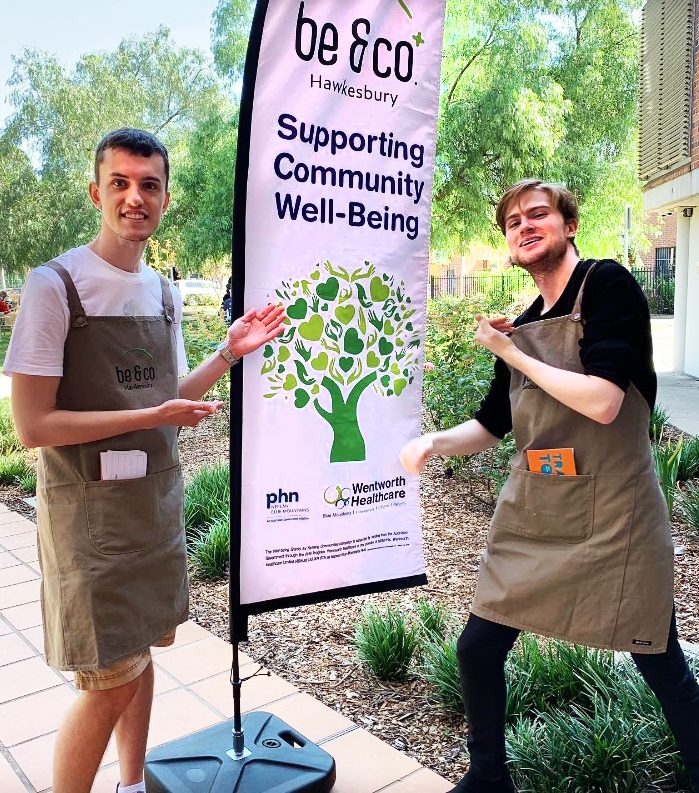
Designing your Program
Your individual, workplace or community group Wellbeing Program may include any combination of the following four tiers of support.
A preliminary needs assessment can be arranged for workplaces if required, including confidential 20-to-30-minute psychosocial wellness checks (in-person or online) with staff, a planning meeting with managers and a report with a recommendation for a psychosocial wellbeing plan.
Individual support.Counselling for individuals, employees and managers. For people experiencing work related or personal stress affecting their emotional wellbeing and/or impacting performance, functioning or capability. |
Family support.For multi-stressed families, who would like to strengthen communication, problem solving and connection with each other for wellbeing of the whole family. |
Workplace and community support.For debriefing and support following critical incidents or prolonged stress, including natural disasters and traumatic death. |
Leadership and management support.For strengthening communication and resilience, essential for connected teams, effective community engagement and disaster recovery work. |
Approach for individuals, employees and managers.Person-centred consultations, helping people gain clarity, insight and solution-focused strategies for coping and moving forward. |
Approach for family group support.Practical, experiential workshops with the whole family, utilising a framework that fosters deep listening and heartfelt connection. |
Approach for workplace and community group support.Offers a respectful, facilitated space for people to share experiences and develop insight and understanding together for healing and recovery. |
Group facilitation and leadership training and support.Provides an immersive, practice-based experience which fosters a supportive atmosphere conducive to rigorous independent or group thinking. |
Delivery of counselling for individuals, employees and managers.One-hour consultations provided in person or via telehealth, with regular follow ups as required. |
Delivery of family group support.Facilitated in-person family group sessions. |
Delivery of workplace and community group support.Facilitated group sessions for up to eight people. Two facilitators are required per session. |
Delivery of group facilitation and leadership training and support.Facilitated half-day to full-day workshops for up to eight people. |
Research underpinning the Psychosocial Wellbeing Program
Michelle Hookham (PhD candidate USYD)
The Psychosocial Wellbeing Program stems from insights gained through Michelle Hookham’s doctoral research, titled Psychosocial Wellbeing and Disaster Recovery in the Hawkesbury.
This article explains what led her to engage in this research and provides background information about the impact of disasters on psychosocial wellbeing and why psychosocial support is so critical for disaster recovery.
Download Article Here
Qualitative research underpinning the Psychosocial Wellbeing Program
Psychosocial Wellbeing – What does it mean?
Michelle particularly likes the term psychosocial in relation to wellbeing because it encompasses the multi-faceted dynamics that influence health and functioning. It incorporates the physical, psychological, emotional, spiritual and economic factors known to influence health (Kumar, 2020, p. 626), as well as social and collective dimensions of community, family networks and cultural practices (Eiroa-Orosa, 2020; Richardson, Kelly, & Mackay, 2023). In short, it refers to psychological, emotional, social and collective wellbeing.
References
Eiroa-Orosa, F. J. (2020). Understanding Psychosocial Wellbeing in the Context of Complex and Multidimensional Problems. Int J Environ Res Public Health, 17(16). doi:10.3390/ijerph17165937
Kumar, C. (2020). Psychosocial Well-Being of Individuals. In W. Leal Filho, A. M. Azul, L. Brandli, P. G. Özuyar, & T. Wall (Eds.), Quality Education (pp. 676-686). Cham: Springer International Publishing.
Richardson, J., Kelly, L., & Mackay, A. (2023). Australian red cross psychosocial approach to disaster preparedness. TheAustralian Journal of Emergency Management, 38(3), 31-36.
Wellbeing culture for the workplace
Workplace wellbeing and health have become a focus for organisations from a corporate governance perspective and the positive association between the health and wellbeing of employees on productivity.
Research has found that employees experience higher levels of wellbeing with positive human resource management practices and that interventions should adopt a holistic approach with clearly defined outcomes (1, 2).
References
- Carmichael F, Fenton S-J, Pinilla Roncancio M, Sadhra S, Sing M. Workplace wellbeing programmes and their impact on employees and their employing organisations: A scoping review of the evidence base. 2016.
- Pagán-Castaño E, Maseda-Moreno A, Santos-Rojo C. Wellbeing in work environments. Journal of Business Research. 2020;115:469-74.
What clients say
Counselling
Michelle is more than a counsellor, psychologist or psychiatrist; she is a mix of all of them. She can relate on the psychotherapy side and input on the clinical side because of her mental health nursing experience. Not many people in private practice have that background and wealth of experience. I particularly like her place-based approach of not being stuck in a room; share a coffee or a walk, which is a more modern way of doing therapy, but the option for a clinic room is good too.
Innovative approaches
Excellent project which fostered socialisation, improved mental stability, self-confidence, awareness in abilities, fostered friendships of all ages, ‘can do’ attitudes…All in a fun environment. It broke down social barriers and fostered conversation and social interactions. We loved it!
Meet the Team
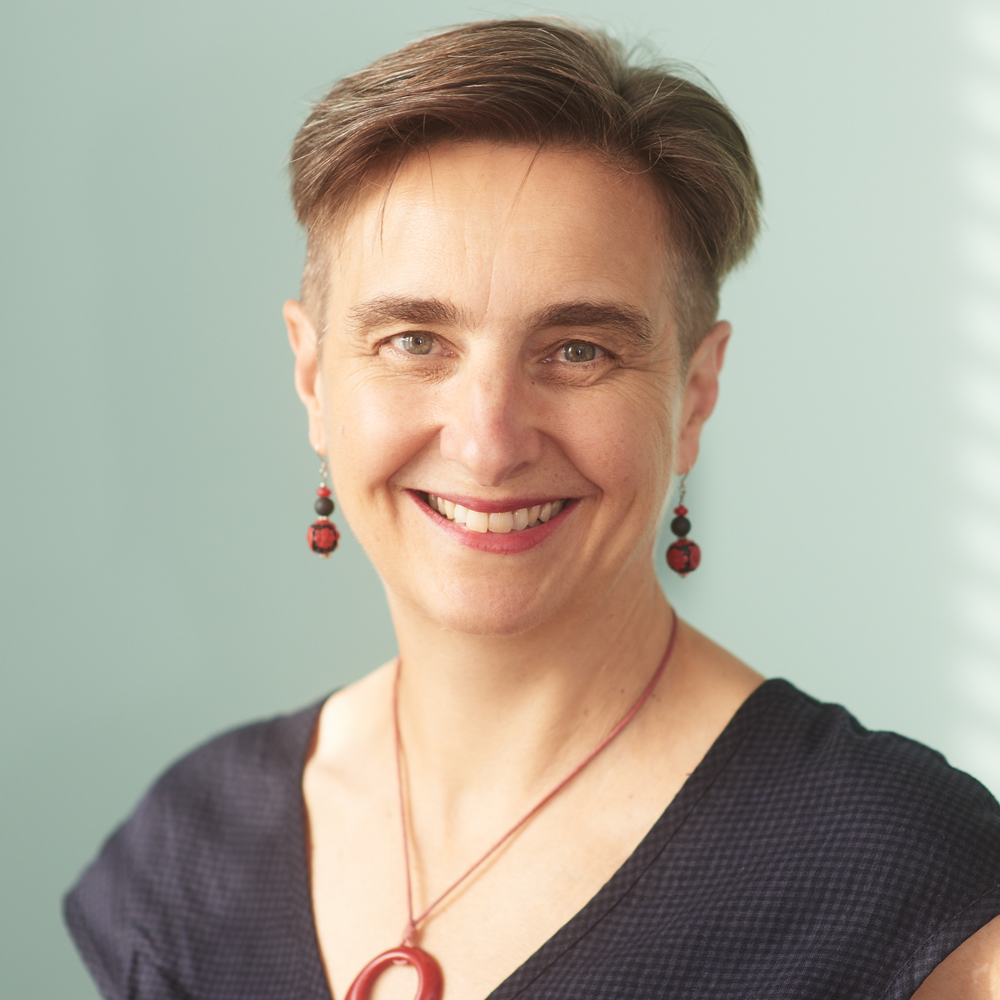
Michelle Hookham
Program director, facilitator, mental health/counsellor
Michelle Hookham is the Owner/Director of Health Dynamis. She is an experienced health professional with a background in mental health nursing, counselling, homeopathy and senior health leadership in the UK and Australia.
Michelle brings doctoral research expertise in psychosocial wellbeing and disaster recovery, suicide bereavement support group management, alongside extensive clinical experience supporting individuals, teams and organisations through complexity and change. Her approach is trauma-informed, evidence-based and grounded in deep listening, with the understanding that trust, discretion and respect matter.
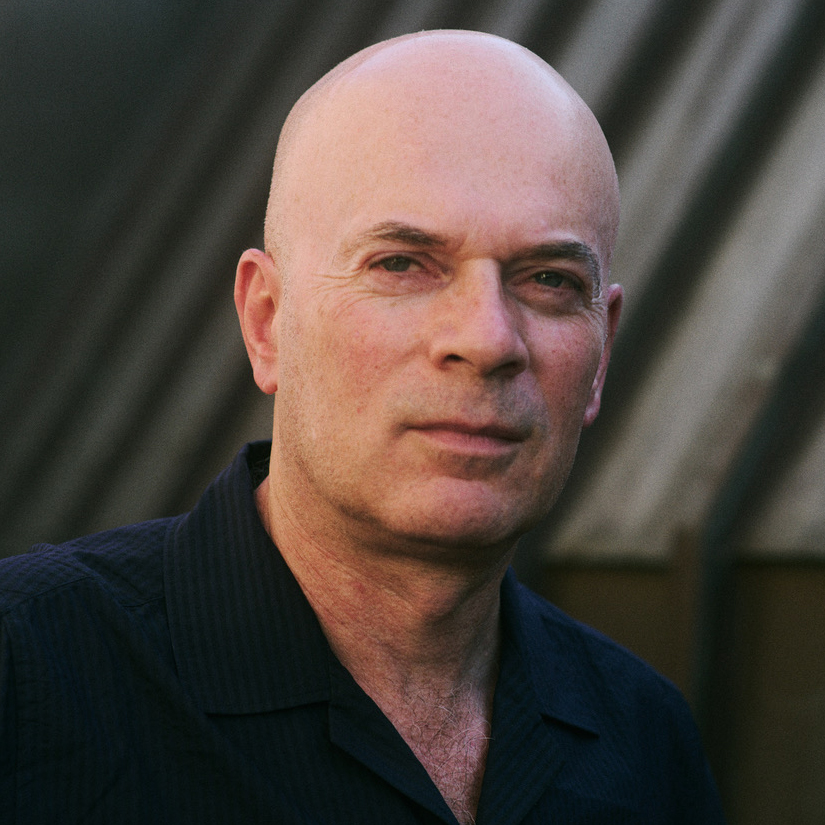
Tim Kelly
Leadership consultant, conflict resolution, facilitator
Tim Kelly is Co-Director of Health Dynamis.
He is an academic, advocate, marketing and music business professional.
With a track record of senior management leadership at independent and multi-national music companies,
Tim is currently supporting emerging talent at The Australian Institute of Music and conducting PhD research at the University of Technology Sydney.
A facilitator in Thinking Environments, Tim engages with workplaces to enable rigorous and imaginative solutions.
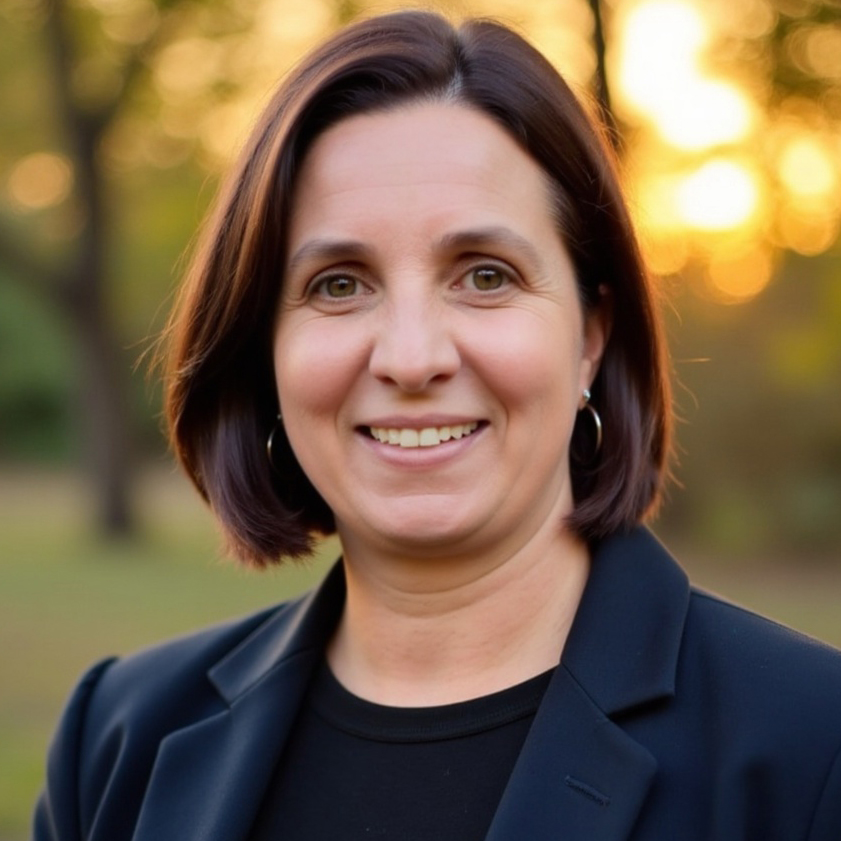
Emma Godsell
Co-facilitator, counsellor
Emma Godsell is a registered counsellor, psychotherapist and sandplay therapist, who believes everyone deserves a space where they can feel heard, understood and supported without judgement.
Her work includes helping people navigate anxiety, grief, family changes, life transitions and the everyday pressures of life.
She also has experience in palliative care, loss, grief and suicide support, offering gentle guidance during some of life’s most difficult and tender moments.
Her aim is to create a welcoming space where people can slow down, reflect and begin to find their own way forward.
Through a compassionate and structured approach, Health Dynamis supports both personal healing and collective recovery following difficult experiences, helping to rebuild stability and wellbeing.
Psychosocial Wellbeing Programs are available independently with Health Dynamis or in partnership with the Integrated Workforce Collective (IWC). For more information or to explore how a Wellbeing Program may help, please contact Michelle Hookham at Health Dynamis.
DOWNLOAD OUR BROCHURE HERE